You’ve just pulled into an RV park after a long day on the road. You’re tired. The kids are restless. And all you want is to park, plug in, and relax.
But then you look at the site and wonder, what exactly am I supposed to do with all these connections?
If you’re new to the RV life, that feeling is completely normal. Full hookup RV sites can look intimidating at first. But once you understand what you’re looking at, it’s actually pretty straightforward.
Let’s break it down so you know exactly what to expect.
What Does a Full Hookup RV Site Actually Include?
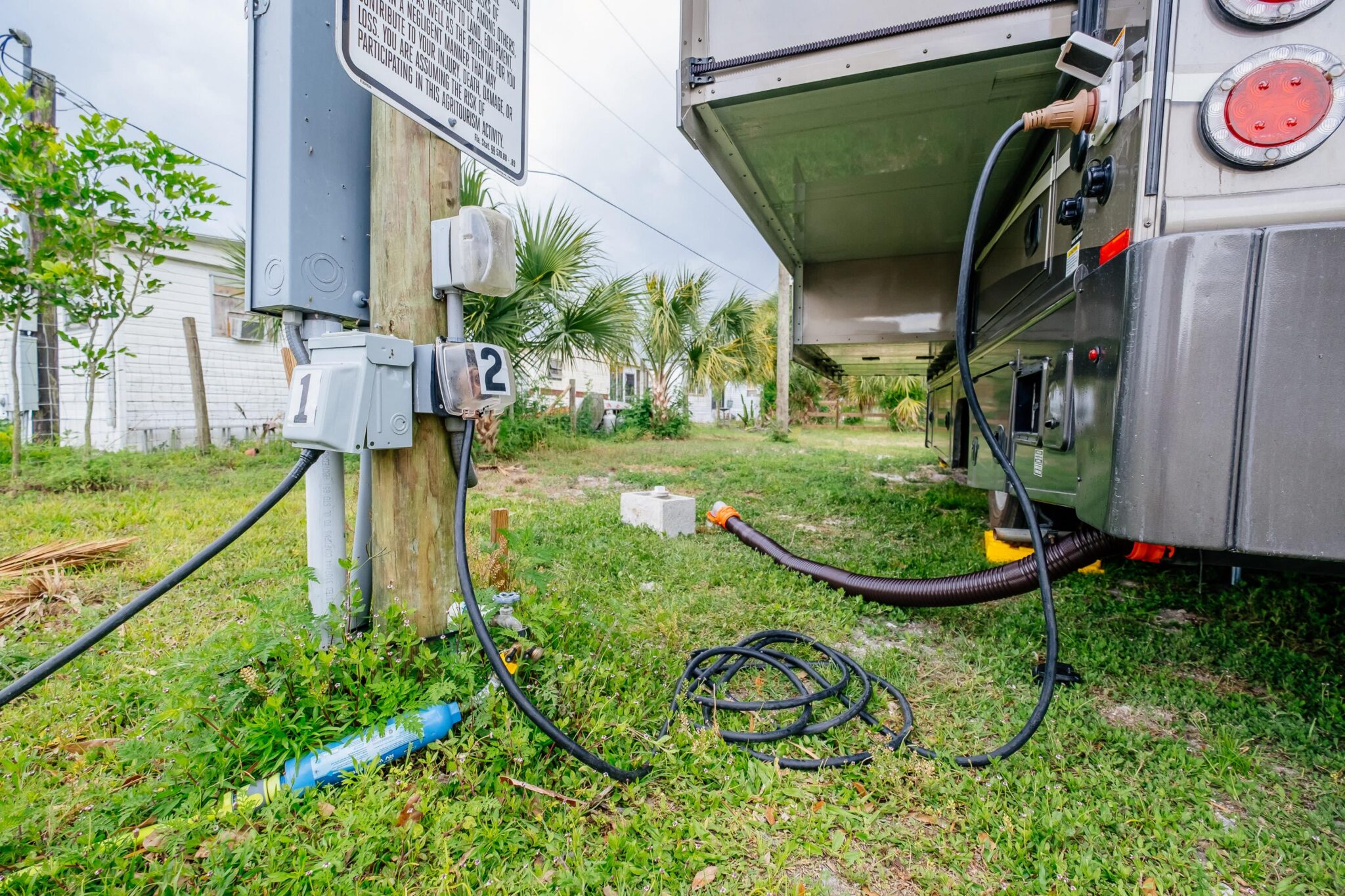
A full hookup RV site gives you three essential utility connections right at your campsite. Think of it as bringing the comforts of home to wherever you park your rig.
The three connections are:
Electricity: Power from the campground’s grid directly to your RV
Fresh water: A continuous supply of pressurized potable water
Sewer: A direct drain for your RV’s waste tanks
When an RV park advertises “full hookups,” it means every one of those connections is available at your individual site. You plug in, you connect, and you’re set.
Valley View RV Park in Jarrell, Texas, offers full hookups with 20/30/50 amp service, water, sewer, and trash on every site. That’s the kind of setup that makes extended stays feel like home.
What Are the Three Main RV Hookups?
Let’s look at each connection individually so you know what you’re dealing with.
The Electrical Hookup
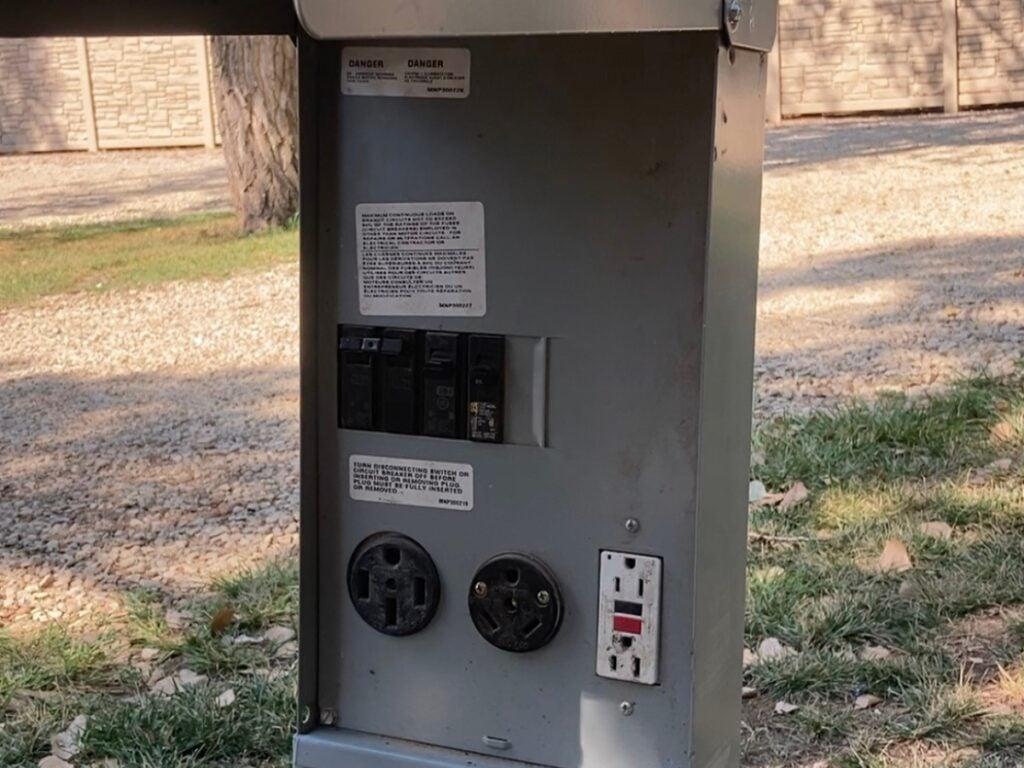
This is your RV’s lifeline. The electrical hookup, also called shore power, connects your RV to the campground’s power grid. You’ll find an electrical pedestal at your site with outlets for different plug types.
The pedestal usually has a weatherproof cover. Open it up, and you’ll see where to plug in your RV’s power cord.
The Water Hookup
This connection gives you a constant supply of fresh, potable water. You attach a drinking-water-safe hose from the campground’s water spigot to your RV’s freshwater inlet.
With a water hookup, you can use your RV’s sinks, shower, and toilet just like you would at home. No worrying about running out of water mid-shower.
The Sewer Hookup
This is what makes a site “full” rather than just partial. The sewer connection lets you drain your RV’s black tank (toilet waste) and gray tank (sink and shower water) directly into the campground’s sewer system.
You attach a sewer hose from your RV’s waste outlet to the sewer connection at your site. It’s not the most glamorous part of RVing, but it’s one of the most convenient.
What’s the Difference Between 30 Amp and 50 Amp RV Hookups?
This is one of the most common questions new RVers ask. And it’s important to get right.
The difference comes down to how much power the connection can deliver.
A 30-amp hookup provides about 3,600 watts of power. It’s a single-phase, 120-volt connection with three prongs. This is usually enough to run one air conditioning unit along with lights and basic appliances. Smaller travel trailers and older motorhomes typically use 30-amp service.
A 50-amp hookup is much more powerful, delivering up to 12,000 watts across two 50-amp legs. It has four prongs and provides 240 volts of power. Larger RVs, especially those with multiple air conditioning units, residential refrigerators, or washer/dryer setups, need 50-amp service.
Here’s the good news. If your RV uses 30 amps and the site only has a 50-amp outlet, you can use an adapter to connect. Many RV parks, including Valley View RV Park, offer 20/30/50 amp service on every site so you’re covered no matter what you’re driving.
What Else Does a Full Hookup RV Site Include?
Beyond the three main connections, full hookup sites often come with a variety of amenities that make your stay more comfortable.
A level, spacious pad. Most full hookup sites have a gravel, concrete, or asphalt pad designed for easy parking. Valley View RV Park offers 74-foot pull-through pads, which means you can drive in and out without backing up. That’s a huge convenience, especially if you’re towing a trailer.
Picnic table and fire ring. Many sites include a picnic table and a fire ring or grill area. Perfect for outdoor meals and evening campfires.
Trash service. Some parks include trash pickup at your site. Valley View includes trash with their full hookup sites. Others have centralized dumpsters.
Wi-Fi and cable TV. Not all parks offer these, but many full hookup resorts do. Check ahead if these are important to you.
Pet-friendly areas. Many parks with full hookups also have designated pet areas. Valley View has two dog parks and a dog wash station.
24-hour facilities. Showers, laundry rooms, and restrooms that are available around the clock. Valley View offers 24-hour shower and laundry facilities.
What’s the Difference Between Full Hookups and Partial Hookups?
This is another question that trips up beginners.
Full hookups mean you have all three connections; electricity, water, and sewer.
Partial hookups usually mean you have electricity and water, but no sewer connection. Sometimes it means electricity only.
Without a sewer hookup, you have to manage your waste tanks carefully and eventually use a dump station to empty them. That means you can’t use your RV’s toilet and shower as freely.
Full hookups let you use your RV like a residential home without worrying about overfilling your tanks. You can shower as long as you want, run the faucet while doing dishes, and flush without doing tank math in your head.
Is a Full Hookup RV Site Worth It for Camping?
That depends on how you like to camp.
If you’re staying for just one night while passing through, you might not need a full hookup site. Electric and water might be enough.
But if you’re staying for several days or weeks, full hookups are absolutely worth it. Here’s why.
You don’t have to ration water
With a freshwater connection, you can use water freely. No worrying about running out of water mid-shower or having to refill your fresh tank.
You don’t have to manage waste tanks
The sewer connection means your black and gray tanks drain continuously. No watching the levels, no trips to the dump station.
You can run everything
With the right electrical service, you can run your air conditioning, microwave, TV, and other appliances without worrying about overloading your system.
It feels like home
That’s really what it comes down to. Full hookups let you enjoy the great outdoors with all the basic conveniences of home.
Can You Stay in an RV Without Full Hookups?
Yes. Absolutely.
Many RVers enjoy what’s called “dry camping” or “boondocking” staying in places without any hookups at all. You rely on your RV’s batteries, freshwater tank, and waste tanks.
But here’s the thing. Without hookups, you’re limited. You have to conserve water. You have to manage your battery usage. You have to empty your waste tanks at a dump station.
Full hookups remove all those limitations. They give you freedom and flexibility. And for many RVers, that’s well worth the extra cost.
What Do You Need to Connect to a Full Hookup Site?
Before you arrive at a full hookup campground, make sure you have the right gear.
For electricity:
- A power cord that matches your RV’s electrical system (30-amp or 50-amp)
- A surge protector or electrical management system to protect your RV from power surges
- Adapters (like a dogbone adapter) in case the site’s outlet doesn’t match your plug
For water:
- A drinking-water-safe hose (never use a regular garden hose)
- A water pressure regulator to protect your RV’s plumbing from high water pressure
- A water filter if you want extra peace of mind
For sewer:
- A sewer hose (usually 10 to 20 feet long)
- Sewer hose supports to create a downhill slope for proper drainage
- Disposable gloves for handling the sewer connection
Having the right gear makes setup quick and stress-free.
How Do You Choose the Right Full Hookup RV Site?
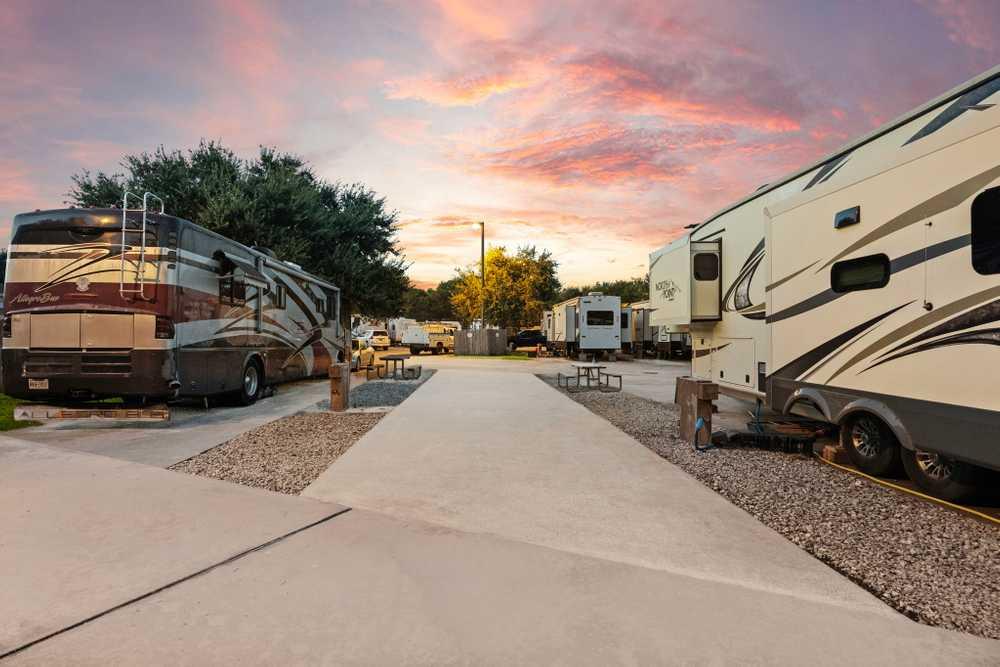
Not all full hookup sites are created equal. Understanding what separates a good RV park from a great one is just as important as knowing what the hookups mean. Here’s what to look for.
Check the amp service. Make sure the site has the electrical service your RV needs. Many parks offer both 30-amp and 50-amp, but some smaller parks might only have one or the other.
Consider the site type. Pull-through sites are easier, you drive in and out without backing up. Back-in sites require more maneuvering but are often more private.
Look at the pad length. Make sure the site can accommodate your RV’s length. Valley View offers 74-foot pads, which can handle even large motorhomes and fifth wheels.
Think about amenities. Do you need Wi-Fi? Cable TV? Pet areas? Laundry facilities? Make a list of what matters to you.
Check reviews. Other RVers are usually honest about their experiences. Read reviews to get a sense of the park’s cleanliness, staff, and overall vibe.
The Do’s and Don’ts of Full Hookup RV Camping
| DO | DON’T |
| Connect your electricity first, then water, then sewer. | Connect sewer first-you might accidentally create a mess. |
| Use a water pressure regulator to protect your RV’s plumbing. | Assume the campground’s water pressure is safe for your RV. |
| Use a surge protector to protect your electrical system. | Plug in without surge protection, power surges can damage your RV. |
| Keep your sewer hose supported and sloping downhill for proper drainage. | Let your sewer hose lie flat or sag it won’t drain properly. |
| Use a drinking-water-safe hose for your freshwater connection. | Use a regular garden hose, it can leach chemicals into your water. |
| Leave your black tank valve closed until it’s at least half full before dumping. | Leave your black tank valve open all the time—solids can build up. |
| Dump your black tank first, then your gray tank (the gray water helps rinse the hose). | Dump gray water before black water. |
| Wear disposable gloves when handling sewer connections. | Touch sewer connections with bare hands. |
| Keep your sewer hose capped when not in use. | Leave sewer connections open, it can let odors and pests in. |
| Ask about the park’s specific rules and hookup procedures. | Assume every park works the same way. |
The Bottom Line
A full hookup RV site gives you everything you need for a comfortable, convenient camping experience. Electricity, water, and sewer, all right at your site.
For beginners, it might look overwhelming at first. But once you understand what each connection does and how to use it, you’ll wonder why you ever camped any other way.
Full hookups mean you can use your RV like a real home. Shower whenever you want. Cook without rationing water. Flush without doing tank math. Run your air conditioning without worrying about battery life.
If you’re planning an extended stay or just want the most comfortable camping experience possible, full hookups are absolutely worth it.
And if you’re traveling through Central Texas, Valley View RV Park in Jarrell offers all the full hookup amenities you could want-20/30/50 amp service, 74-foot pull-through pads, two dog parks, 24-hour laundry and showers, and genuine Texas hospitality. It’s the kind of place that makes you want to stay a little longer.
So go ahead. Book that full hookup site. Hook up with confidence. And enjoy the RV life the way it’s meant to be lived.