Ever pulled into an RV park and instantly wished you hadn’t?
Maybe the site was so tight you couldn’t even put out your awning. Maybe the Wi-Fi was slower than dial-up. Or maybe that “scenic view” turned out to be a gravel pit and a chain-link fence.
Yeah, we’ve been there. And it’s not fun.
Booking an RV park sounds easy. Find a spot online. Click a button. Show up. But here’s the reality-what looks great in photos doesn’t always match what you get. Descriptions can be vague. Photos can be old. And by the time you realize the park isn’t what you expected, you’re already unhooked and committed.
So before you pull out that credit card, let’s walk through ten things you should always check. Some are obvious. Others you’ve probably never thought about. All of them will save you from a whole lot of frustration.
What Are People Actually Saying in Reviews?
Reviews are like gold. But only if you know how to read ’em.
Don’t just glance at the star rating and call it done. Dig in. See what people are actually talking about. One bad review from somebody who complains about everything? Probably safe to ignore. But if five different people mention the same problem-loud trains, rude staff, muddy sites-believe them.
Pro Tip: Sort reviews by “newest” first. A park that was amazing three years ago might have new owners now. Or they might have let maintenance slide. Recent reviews tell you what’s happening today, not three years ago.
Also, pay attention to how the park responds to negative reviews. Do they apologize and offer to make things right? Or do they get defensive and blame the guest? That tells you everything about how you’ll be treated if something goes wrong during your stay.
How Easy Is the Drive to Get There?
Getting there is half the adventure. But it shouldn’t be a white-knuckle experience.
Check the route before you book. Are there low bridges? Steep grades? Narrow winding roads? Nothing ruins a trip like realizing the road you’re on wasn’t built for a 40-foot rig.
Use an RV-specific GPS. Regular GPS doesn’t always know about height and weight restrictions. Some roads look fine on a map but turn into a nightmare when you’re actually hauling.
Think about the last few miles too. Is the park right off a main highway, or is it down a long backroad? If you’re arriving after dark, you want something easy to find and easy to navigate.
Where Exactly Will You Be Parking?
Site dimensions matter. A whole lot more than people think.
Your rig might be 35 feet, but what about your slide-outs? Your tow vehicle? Your awning? The site might “fit” your RV but leave no room for anything else.
Look at the site description carefully. Back-in or pull-through? How wide is it? Paved, gravel, or grass? Will you have room for a picnic table and chairs?
Pro Tip: Pull up the park on satellite view on Google Maps. Zoom in. You can see the actual layout. Are sites spacious or crammed together? Is there green space or just gravel? You’d be surprised what you can spot from above.
Some parks list site sizes right on their website. Others don’t. If they don’t, call and ask. A good park will be happy to tell you. If they’re evasive, that’s a warning sign.
What Time Can You Actually Check In?
This sounds basic. Until you roll in at 9 PM and find nobody there.
Check-in times vary all over the place. Some parks have 24-hour check-in. Others lock up at 5 PM and don’t answer the phone after that.
If you’re arriving late, call ahead. Most parks will leave an envelope or a map for you. But you need to know how it works. Is there a gate code? Where do you park if your site isn’t ready? Who do you call if there’s a problem?
Don’t assume anything. One quick phone call saves a lot of stress later.
Who’s Staying There for the Long Haul?
This one’s a big deal but people skip it all the time.
Some parks have a lot of long-term residents. People who’ve been there for months or even years. That can be great-quiet neighbors, a sense of community, well-maintained sites.
But it can also be not-so-great. Sometimes long-term sites get cluttered. The park starts feeling more like a permanent trailer park than a vacation spot.
Check reviews and look at photos. Are the long-term sites tidy? Do people take pride in their space? Or does it look run-down and crowded?
There’s no right or wrong answer. It just depends on what kind of experience you’re looking for.
What Does the Park Actually Look Like From Above?
Here’s a trick most folks don’t know about.
Open up Google Maps or satellite view and find the park. Zoom way in. Look at the layout carefully.
Can you see individual sites clearly? Are they spacious or crammed right on top of each other? Is there any green space or is it just gravel and dirt? You’d be amazed what shows up from above.
Some parks look gorgeous in their photos. But satellite view tells the real story. Tight turns, poor drainage, sites right next to each other-all visible from the sky.
While you’re there, check out the surrounding area too. Grocery stores nearby? Gas stations? Restaurants? Sometimes the location isn’t obvious from the address alone.
What’s the Internet Situation Really Like?
For a lot of us these days, good internet isn’t optional. It’s a must-have.
Check the park’s WiFi policy. Free or paid? What kind of speeds can you actually expect? Many parks claim “high-speed WiFi” but deliver barely enough to check your email.
Don’t just trust what the park’s website says. Check cell coverage maps for your carrier. Ask around on RV forums or Facebook groups. Real people give real answers.
Pro Tip: Always have a backup plan. A mobile hotspot or a cell booster can save your trip. Even at a good park, WiFi can get slow when everyone’s online at the same time.
What Kind of Hookups Are We Talking?
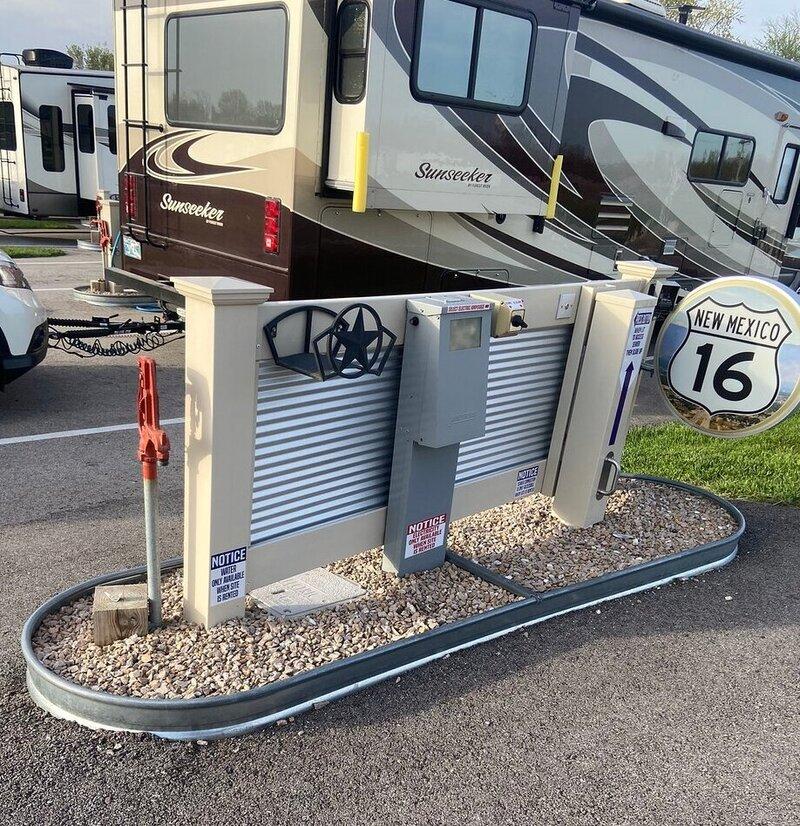
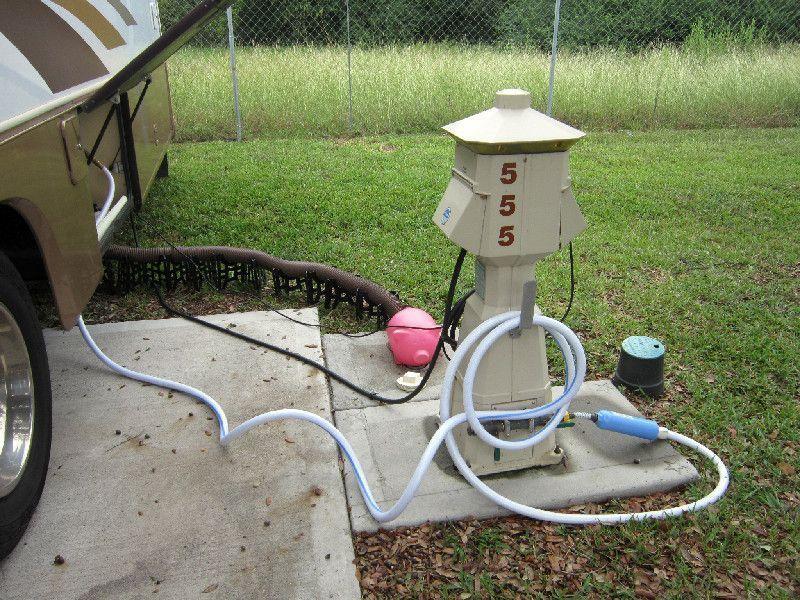
Electricity. Water. Sewer. The basics that make RV life possible.
Check what amperage the park offers. 30 amp? 50 amp? Both? If your rig needs 50 amp and they only have 30, you’ll be popping breakers all week long.
Ask about water pressure. Too low and your shower’s a sad trickle. Too high and you might blow a hose. Some parks have regulators. Some don’t. Bring your own to be safe.
And sewer hookups? Make sure they’re actually at your site. Some older parks have community dump stations you have to drive to. That gets old really fast.
What Amenities Do You Actually Need?
A pool is nice. A dog park is great. But what about the stuff you really need?
Laundry facilities? Clean showers? A dump station? Propane fill? These are the things that make life on the road comfortable and convenient.
Check the park’s website-not just the booking page. What do they actually offer? And more importantly, are things well-maintained? A pool that’s been “closed for maintenance” all summer isn’t really a pool.
If you’ve got kids, what’s there for them? If you’ve got dogs, is there a proper place to walk them? If you work remotely, is there a quiet spot with decent internet? To see what a well-equipped park looks like, take a peek at the amenities we offer at Valley View RV Park. Knowing what you’re walking into makes all the difference.
What Happens If You Need to Cancel?
Life happens. Plans change. And sometimes you just need to cancel.
Read the cancellation policy carefully before you book. Some parks give full refunds with 48 hours notice. Others charge you no matter what.
If you’re booking way in advance, check if you can adjust your dates if needed. Travel plans shift, and flexible policies make everything easier.
Also ask about weather-related cancellations. If a storm rolls through, will they work with you? Good parks understand that travel isn’t always predictable.
Message by VVRV
Booking an RV park doesn’t have to be a gamble. A few minutes of research saves you from days of frustration.
Check the reviews. Read the site descriptions. Look at satellite images. Make a phone call if you’re unsure. The parks worth staying at will answer your questions gladly. The ones that won’t? They’re not worth your time.
And if your travels ever bring you through Texas, come stay with us. We’ve got room for rigs of every size, solid hookups, and the kind of genuine hospitality that makes a trip memorable.
Safe travels out there. Hope to see you soon.
People Also Ask
What should I look for in RV park reviews?
Look for patterns, not individual complaints. Multiple people mentioning the same issue means it’s probably real. Pay attention to recent reviews and how the park responds to negative feedback.
How important is WiFi at an RV park?
Depends on you. If you work remotely or stream a lot, it’s essential. If you just check email occasionally, less so. Always have a backup plan though.
What are the most common RV park problems?
Tight sites, bad hookups, noise, slow WiFi, and unfriendly staff. All of them are avoidable with a little research ahead of time.
Can I trust the photos on RV park websites?
Mostly, but be skeptical. Wide-angle lenses make sites look bigger than they are. Satellite images give you a more honest view.
Should I call the RV park before booking?
Yes, absolutely. How they treat you on the phone is how they’ll treat you in person. If they’re rude or dismissive, move on to the next one.
When’s the best time to arrive at an RV park?
Sunday through Wednesday are usually quieter. Fridays and Saturdays are peak times. Arriving mid-week gives you better site options and a more peaceful experience.